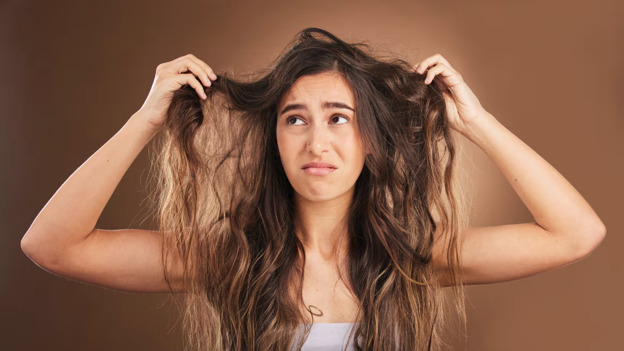
How to Manage Frizzy Hair in Nanning’s Humid Weather
Some cities are kind to hair. Others test it daily. Nanning, China’s Green City, with its warm days, damp air, sudden rain, strong sun, and long humid stretches, can turn a good hair day into a puffed-up situation before lunch.
If your hair behaves differently here than it did back home, you are not imagining it. Humidity can make straight hair look limp, wavy hair expand, curly hair lose shape, and coloured hair feel drier than usual. Add heat, air conditioning, sweat, frequent washing, and styling products into the mix, and your hair may start feeling harder to manage.
The answer is not to fight your hair every morning. That usually leads to more heat styling, more product, and more frustration. A better approach is to understand how your hair reacts to the local climate and build a routine that keeps it calmer, cleaner, and easier to live with.
Here are practical hair care tips for dealing with frizz, heat, and humidity in Nanning.
Why Humidity Makes Hair Frizzy
Frizz often appears when hair absorbs moisture from the air. When the outer layer of the hair is dry, rough, damaged, or lifted, moisture enters more easily. The hair then swells unevenly, which creates that fluffy, fuzzy, or unpredictable look.
This is why frizz is not only a “weather problem”. It is often a hair condition problem, too. Hair that is bleached, over-coloured, heat-damaged, dry, or overdue for a trim usually reacts more strongly to humid weather.
In Nanning, even hair that is normally manageable may feel different because the air can make styling less predictable. A blow-dry may collapse. Straightened hair may start bending. Natural waves may become uneven. Curls may lose definition if they are not hydrated properly.
The goal is not to remove every bit of texture. It is to keep the hair cuticle smoother, the ends healthier, and the style more controlled.
Start with a Haircut That Handles the Weather

A good haircut can make humid-weather hair much easier to manage. If your hair feels heavy, triangular, flat at the roots, or puffy at the ends, the shape may be working against you.
For thick hair, careful weight removal can help reduce bulk without making the hair look thin or wispy. For wavy hair, layers can encourage movement, but too many short layers may create extra puffiness. For fine hair, a cleaner shape may help prevent the hair from looking limp in humid conditions. For curly hair, the cut needs to respect shrinkage and curl pattern, not just look neat when wet.
When visiting a hair salon in Nanning, tell the stylist how your hair behaves in the local weather. Do not only ask for a fashionable cut. Ask for a cut that still works after you wash it, walk outside, and live your normal day.
A style that looks beautiful only after a full salon blow-dry may not be the best choice if you want easy hair in humidity.
Keep Your Hair Hydrated, But Not Heavy
Dry hair and humidity are a bad match. When hair lacks moisture, it tends to grab moisture from the air, which can make frizz worse. That does not mean you need to overload your hair with thick masks and oils every day. Too much product can make hair greasy, flat, or sticky, especially in warm weather.
The trick is balance. Use a conditioner that suits your hair type. Fine hair may need a lightweight conditioner, mainly on the ends. Thick, wavy, curly, or coloured hair may need richer conditioning. If your hair feels rough or tangles easily, a leave-in conditioner can help smooth the surface and reduce daily frizz.
Hair masks can be useful once a week or when your hair feels particularly dry, but choose them carefully. Moisturising masks help with dryness. Strengthening or bond-support treatments may be better if your hair has been bleached or chemically treated.
If your roots become oily quickly, keep heavier products away from the scalp. Focus on the mid-lengths and ends, where dryness usually shows most.
Do Not Over-Wash Just Because It Feels Hot
In hot or humid weather, it is tempting to wash your hair constantly. Your scalp may feel sweaty, your roots may look oily, and your hair may feel less fresh by the end of the day.
Washing too often, however, can dry out the lengths and make frizz worse. This depends on your scalp and hair type. Some people genuinely need frequent washing, especially if their scalp is oily. Others do better washing less often and refreshing between washes.
When you shampoo, focus on the scalp. Let the shampoo cleanse the roots, then rinse through the rest of the hair. Avoid scrubbing the ends. Use conditioner afterwards, especially if your hair is long, coloured, wavy, curly, or heat-styled.
If your scalp feels oily but your ends feel dry, you may need a better washing method rather than more washing. A clarifying shampoo used occasionally can help remove product build-up, but using it too often may make hair feel stripped.
Use Heat Styling More Carefully
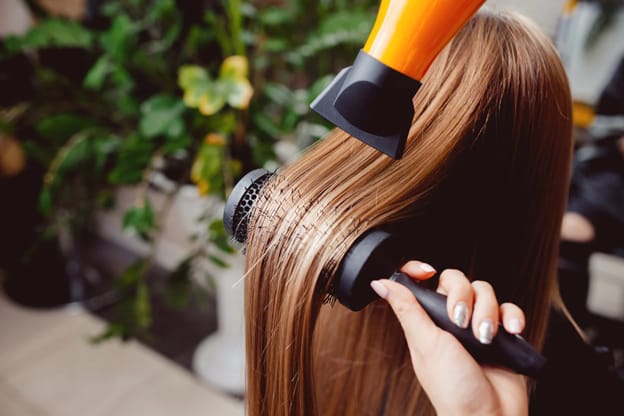
Flat irons, curling wands, and daily blow-drying can give quick control, but they can also create long-term frizz if used too aggressively. Heat weakens the hair over time, especially when it is used without protection.
In humid weather, this becomes even more frustrating. You spend time straightening or curling the hair, step outside, and the style starts changing almost immediately. Then you use more heat the next day, and the cycle continues.
Use heat protection whenever you style with hot tools. Keep the temperature sensible. Do not pass a straightener over the same section repeatedly. If possible, dry the roots first and smooth only the areas that need attention rather than heat-styling your whole head every day.
For many people, a softer style works better in Nanning’s weather than trying to force perfectly straight or perfectly curled hair every morning.
Try Anti-Frizz Products the Right Way
Anti-frizz products can help, but only if you use the right amount and apply them correctly. Too much serum or oil can make hair look greasy. Too much cream can make fine hair collapse. Too much spray can leave the hair stiff.
For frizzy ends, a small amount of serum or hair oil can smooth the surface. For wavy or curly hair, a leave-in cream or curl product may help define the shape. For straight hair, a lightweight smoothing lotion or humidity-control spray may be enough.
Apply products to damp hair where possible, then let the hair dry in the shape you want. If you apply everything after the frizz has already appeared, you may end up coating the problem rather than preventing it.
Ask your stylist which type of product suits your hair. A simple recommendation can save you from buying five bottles that do not work.
Consider Keratin or Smoothing Treatments
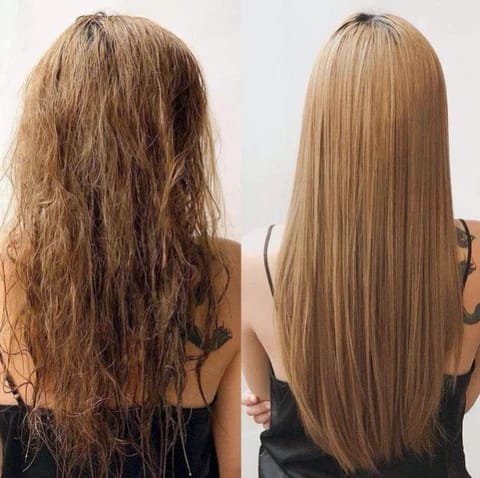
For people who struggle with constant frizz, a salon smoothing treatment may be worth discussing. Keratin treatments and similar smoothing services can help make hair sleeker, shinier, and easier to blow-dry.
These treatments are popular because they reduce daily styling effort. They are not all the same, though. Some mainly reduce frizz. Some soften waves. Some create a straighter finish. Some require special aftercare. The result depends on your natural texture, hair condition, and the product used.
Before booking keratin or smoothing in Nanning, ask what the treatment will actually do. Will it make the hair straight or simply smoother? How long will it last? Can it be done on coloured or bleached hair? What shampoo should you avoid afterwards?
A smoothing treatment can be useful, but it should not be chosen blindly. If your hair is very damaged, you may need repair and trimming before smoothing to give you the result you want.
Think Twice Before Strong Chemical Services
Rebonding, straightening, perming, colouring, and bleaching can all change the way your hair behaves in humid weather. Sometimes that is helpful. Sometimes it creates more maintenance.
Rebonding can make hair sleek, but it needs careful care as new growth appears. Bleaching can create beautiful colour, but it can also make hair drier and more prone to frizz if not maintained properly. Perms can add shape and movement, but they need moisture and styling products to look good.
If you are already fighting frizz, do not rush into several chemical services at once. For example, bleaching and straightening close together can be risky for fragile hair. Always tell your stylist your full hair history before agreeing to any major treatment.
Healthy hair handles Nanning’s weather better than over-processed hair. That should be the priority.
Protect Your Hair from Sun and Daily Wear

Heat is not only about styling tools. Sun exposure, outdoor walking, sweat, tying hair tightly, rough brushing, and constant air conditioning can all affect how your hair feels.
If you spend time outdoors, consider wearing a hat or tying your hair loosely to reduce sun exposure. Avoid tight hairstyles that pull on the same areas every day. Use a wide-tooth comb or gentle brush, especially when hair is wet. Dry your hair with a soft towel or an old cotton T-shirt rather than rubbing it roughly.
These small habits may not feel dramatic, but they reduce breakage and keep the hair surface smoother. Less breakage usually means less frizz.
Get Regular Trims Before the Ends Rebel
Split ends and dry ends make frizz look worse. Once the ends start splitting, no mask can permanently fix them. Treatments may improve the feel temporarily, but a trim is often the real solution.
You do not need to cut off a lot every time. A small, regular trim can keep the shape fresh and stop the ends from looking thin or rough. This is especially useful if your hair is coloured, long, heat-styled, or exposed to humidity every day.
Ask your stylist how often your hair needs trimming based on your style and condition. Some people can wait longer. Others need more frequent maintenance, especially if they want their hair to look polished without much daily styling.
Build a Simple Routine You Can Actually Keep
The best hair routine is the one you can repeat. A complicated routine with ten products may sound impressive, but it will not help if you abandon it after three days.
For many people in Nanning, a practical routine might include gentle shampoo, suitable conditioner, a leave-in product for the ends, occasional mask or treatment, heat protection when styling, and regular trims. That is enough to make a noticeable difference without turning hair care into a full-time job.
The routine should match your hair. Fine hair needs lightness. Thick hair may need more moisture. Curly hair needs shape and hydration. Coloured hair needs protection. Oily scalps need proper cleansing without drying out the lengths.
Keep it simple, adjust as needed, and pay attention to how your hair responds.
Final Thoughts
Living with frizz, heat, and humidity in Nanning can be frustrating, but it does not have to control your hair completely. The secret is not one magic product or one perfect salon treatment. It is a mix of the right haircut, sensible washing, proper conditioning, careful heat styling, healthy ends, and realistic expectations.
Your hair may not behave the same way every day, and that is normal in humid weather. Instead of fighting it constantly, work with it. Choose styles that suit your natural texture. Use products that support your hair rather than weighing it down. Ask your stylist for treatments that match your real needs, not just the latest trend.
Good hair in Nanning is possible. It simply needs a routine that understands the weather — and a little patience on the days when the humidity has its own plans.