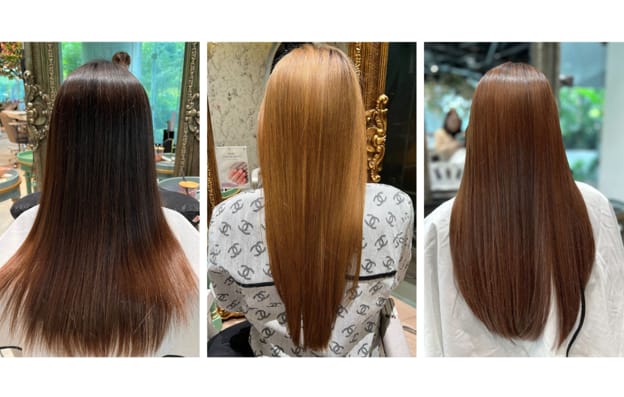
How to Choose the Right Hair Straightening or Smoothing Treatment in Nanning
If your hair has been misbehaving in Nanning’s climate and weather, you are not alone. One day it looks smooth, the next it feels puffy, dry, flat at the roots, or frizzy around the ends. That is usually the moment when salon treatments start sounding very tempting.
Keratin. Rebonding. Smoothing. Straightening. Softening. Repair treatment. Every salon seems to have its own version, and every service promises easier hair. The confusing part is knowing which one your hair actually needs.
These treatments are not the same. Some are designed to reduce frizz. Some make the hair much straighter. Some improve shine and manageability without completely changing your natural texture. Choosing the wrong one can leave you with hair that is too flat, too dry, too stiff, or harder to maintain than before.
Before you book, here is a practical guide to understanding keratin, rebonding, and smoothing treatments in Nanning.
Why These Treatments Are Popular in Nanning
Nanning’s weather can be tough on hair, especially if your hair is naturally frizzy, wavy, thick, dry, coloured, or chemically treated. Heat and humidity can make the hair swell, lose shape, or feel rough by midday. For people who want smoother hair with less daily styling, salon treatments can feel like a useful shortcut.
That does not mean everyone needs a strong straightening service. Sometimes hair only needs a better cut, regular trims, a repair treatment, or lighter products. But if you are constantly fighting frizz with a straightener, tying your hair up because it will not behave, or spending too much time blow-drying, keratin or smoothing may be worth discussing.
The key is to match the treatment to your hair condition, not just the look you want.
What Is a Keratin Treatment?
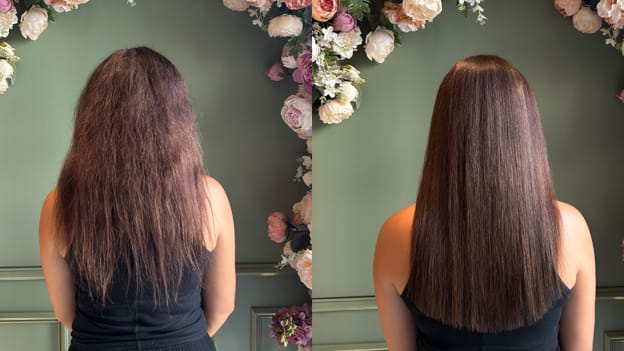
A keratin treatment is usually chosen to smooth frizz, add shine, soften roughness, and make hair easier to blow-dry. It is often a good option for people who like their natural hair but want it to feel calmer and more polished.
Keratin does not always make the hair completely straight. On some hair types, it relaxes the frizz while leaving a natural bend or wave. On others, it may create a sleeker, straighter finish. The result depends on your hair texture, the salon product used, and how the treatment is applied.
This can be a good choice if your main issue is puffiness rather than curl. It may also suit people who want smoother hair but do not want the very straight, permanent look of rebonding.
Before booking keratin in Nanning, ask the stylist how straight your hair is likely to become. Some people expect glass-straight hair and feel disappointed. Others expect natural smoothness and end up feeling their hair is too flat. A clear consultation prevents both problems.
What Is Hair Rebonding?
Rebonding is a stronger chemical straightening service. It changes the structure of the hair to create a straighter, sleeker finish. If keratin is about soft control, rebonding is more about serious straightening.
This treatment can be useful for people with very wavy, frizzy, or difficult-to-manage hair who prefer a straight look every day. It can reduce the need for daily flat ironing and make the hair look smoother after washing.
However, rebonding is not a casual decision. Once hair has been rebonded, the treated lengths remain chemically altered. New hair growth will still come in with your natural texture, so you may need touch-ups later. The treated hair also needs proper care because adding bleach, perming, or stronger chemical treatments afterwards can increase the risk of dryness or breakage.
If your hair is already damaged, heavily bleached, or weak, a responsible stylist may advise against rebonding or suggest a gentler alternative.
What Is a Smoothing Treatment?
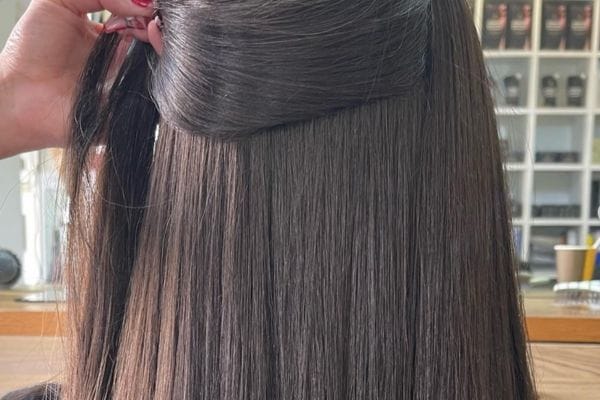
“Smoothing treatment” is a broad term, and this is where many people get confused. In some salons, smoothing may mean a keratin-style service. In others, it may refer to a lighter treatment that reduces frizz without making the hair completely straight.
A smoothing treatment usually aims to make hair softer, shinier, and easier to handle. It may help reduce flyaways, rough texture, and humidity-related puffiness. It is often less dramatic than rebonding and may be a good middle ground for people who want control without losing all movement.
Because the term can mean different things, always ask the salon what their smoothing service actually involves. Is it chemical? Does it straighten the hair? How long does it last? Can it be done on coloured hair? Will it change the natural wave pattern?
Never assume the name tells the full story. Salon menus can sound similar, while the actual process is very different.
Keratin vs Rebonding vs Smoothing: The Simple Difference
Think of these treatments on a scale.
Keratin usually helps with frizz, shine, and manageability. It may make the hair straighter, but the main purpose is to have smoother, calmer hair.
Smoothing treatments are usually designed to soften texture and reduce puffiness. Depending on the product, they may be lighter than keratin or similar to it.
Rebonding is stronger and more permanent-looking. It is meant to create straight hair by changing the hair structure more deeply.
If you want natural movement with less frizz, keratin or smoothing may be better. If you want very straight hair and are ready for more maintenance, rebonding may suit you. If your hair is damaged, dry, or recently bleached, you may need repair first instead of any strong treatment.
Who Should Consider Keratin?
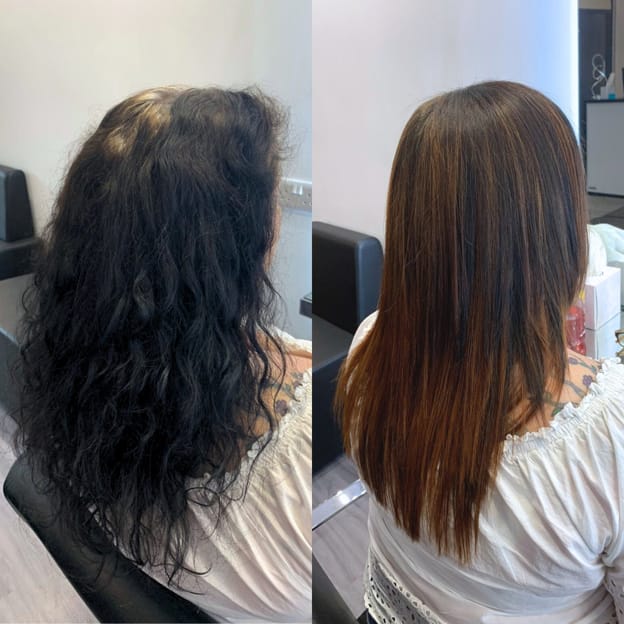
Keratin may suit you if your hair becomes frizzy in humidity, looks dull after washing, takes too long to blow-dry, or feels rough even when it is not badly damaged.
It can be a practical choice for busy people who want smoother hair without spending half the morning styling it. It may also work well for people who like a neat, polished finish but do not want their hair to look completely flat.
However, keratin is not the answer for every hair problem. If your ends are split, a treatment will not permanently fix them. If your hair is extremely damaged, you may need trimming and repair first. If your scalp is sensitive, ask about the product and process before agreeing.
A good stylist should check your hair properly before recommending it.
Who Should Consider Rebonding?
Rebonding may be suitable if you strongly prefer straight hair, your natural texture is difficult for you to manage, and you are willing to maintain the result.
It can be appealing if you dislike daily straightening or if your hair becomes very puffy after washing. The result is usually more dramatic than keratin or smoothing, so it can feel like a big change.
But rebonding needs commitment. The grow-out stage can be noticeable because your roots will return to their natural texture. You may also need to avoid certain chemical services afterwards, especially if your hair becomes fragile.
If you like changing your colour often, bleaching your hair, or trying perms, rebonding may limit your options. Ask your stylist honestly whether it fits your long-term hair plans.
Who Should Choose a Lighter Smoothing Treatment?
A lighter smoothing treatment may be better if you want your hair to feel softer and less frizzy, but you do not want a very straight result. It can also be useful if you are nervous about strong chemicals or trying a new salon for the first time.
This option may suit people with mild frizz, dry-looking ends, or hair that needs polish rather than a full transformation. It can be a good first step before deciding whether you need something stronger.
Still, ask what the treatment contains, how long it lasts, and whether it builds up on the hair. Some smoothing services are gentle, while others are closer to chemical straightening. The consultation matters.
What to Ask Before Booking in Nanning
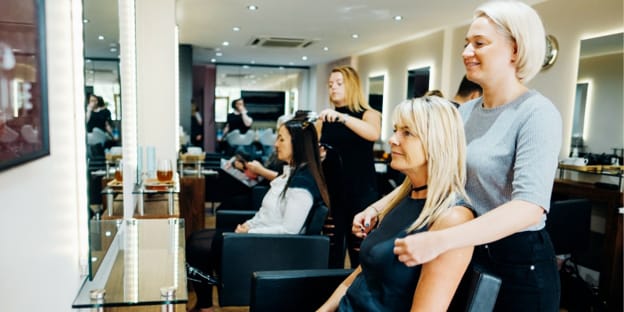
Before saying yes to keratin, rebonding, or smoothing, ask a few direct questions.
Ask what the treatment will do to your specific hair. Ask how straight or smooth the result will look. Ask how long it will last. Ask whether it is safe for coloured, bleached, permed, or previously straightened hair. Ask what aftercare is needed and whether you must use certain shampoos.
Also, ask about the price before the service starts. Longer, thicker hair may cost more because it needs more product and time. Some salons may charge separately for treatment, blow-dry, or extra care steps.
If there is a language gap, use photos. Show hair that looks “too straight”, “just right”, and “not smooth enough” so the stylist understands your preferred finish.
Aftercare Makes or Breaks the Result
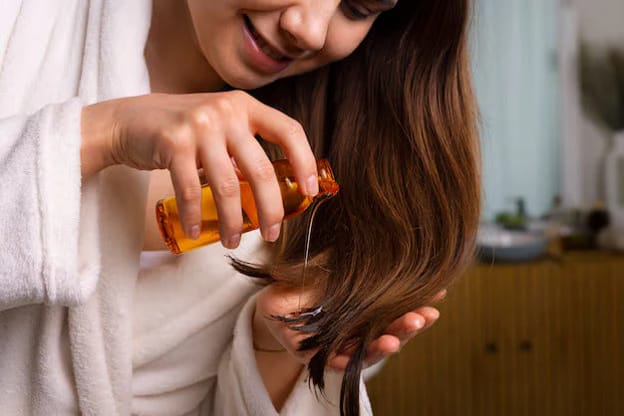
The salon treatment is only the first part. What you do afterwards affects how long the result lasts and how healthy your hair feels.
Ask when you can wash your hair, which shampoos to avoid, how often to condition, whether heat styling is allowed, and when you should return for maintenance. If your hair has been rebonded, ask how to care for the new growth. If you choose keratin or smoothing, ask how to keep the finish from fading too quickly.
Do not ignore trims. Smooth hair still looks untidy if the ends are dry or thin. A small trim can make the whole result look cleaner.
Final Thoughts
Keratin, rebonding, and smoothing can all be useful, but they are not interchangeable. Keratin is often best for frizz control and shine. Rebonding is for a stronger, straightened result. Smoothing sits somewhere in between, depending on the salon’s product and technique.
The right choice depends on your natural hair, previous treatments, daily routine, budget, and how much maintenance you are ready for. In Nanning’s humid weather, smoother hair can make daily life easier, but only when the treatment is chosen carefully.
Do not book based on the name alone. Ask questions, show photos, explain your hair history, and make sure you understand the aftercare. The goal is not just straight or shiny hair on the day itself. It is hair that still feels good after you leave the salon and return to real life.