How to Have Great Hair Without Spending Hours Styling It
Some people love spending time on their hair. They enjoy the blow-dry, the curling wand, the styling spray, the perfect parting, the whole morning ritual. Others look at the clock, look at their hair, and think, “Not today.”
If you are busy, tired, travelling, working long hours, parenting, studying, running a business, or simply not interested in a complicated routine, low-maintenance hair is not laziness. It is a strategy. Good hair should not demand your entire morning or make you feel guilty because you did not style it properly.
The trick is to choose cuts, colours, treatments, and habits that work with your real life. Not your fantasy life where you wake up early, use three round brushes, and finish with salon-level waves before breakfast. Your actual life. The one where five minutes can already feel generous.
Here is how to make your hair look better with less effort.
Start with a Haircut That Does Some of the Work
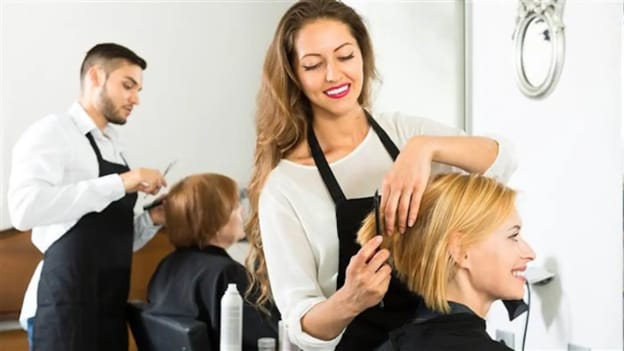
A low-maintenance hair routine begins with the right cut. When the shape is wrong, everything becomes harder. You need more styling, more product, more heat, and more patience. When the cut suits your texture and routine, your hair naturally falls into place more easily.
For fine hair, blunt ends or soft, minimal layers can help the hair look fuller without needing constant styling. For thick hair, internal shaping can remove weight without making the ends look thin. For wavy hair, carefully placed layers can encourage movement rather than puffiness. For curly hair, the right shape can stop the hair from looking heavy at the bottom or flat at the crown.
Be honest with your stylist. Say how you normally wear your hair. Say whether you air-dry it. Say if you tie it up most days. Say if you never use a round brush. A good stylist can only give you a practical cut if they know how little effort you actually want to spend.
Choose a Length That Fits Your Lifestyle
There is no universal “easy” length. Short hair can be quick to wash, but it may need frequent trims. Long hair can be tied up easily, but it takes longer to dry. Shoulder-length hair often sits in the sweet spot because it is long enough for a ponytail but short enough to feel manageable.
If you are always rushing, think about what annoys you most. Is it drying time? Tangling? Heavy ends? Hair falling into your face? Losing shape too quickly? Your best length should solve the problem you deal with most often.
A collarbone-length cut, long bob, soft layers, or clean mid-length style can work well for many busy people. These styles still look polished but do not usually require the commitment of a sharp bob, full fringe, or highly structured cut.
Be Careful with Fringes
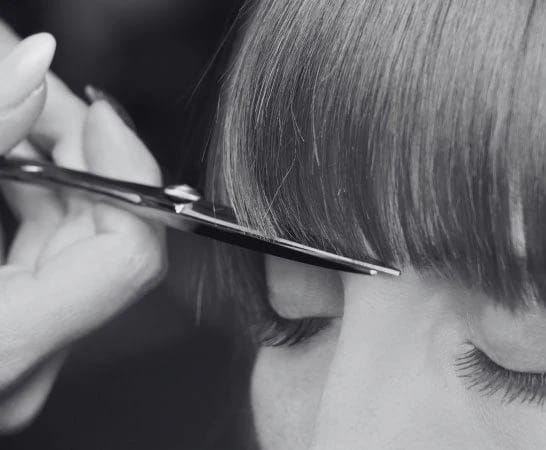
A fringe can look brilliant. It can change your whole face, soften your features, and make a simple haircut feel more stylish. But it is not always low-maintenance.
Fringes often need daily styling, especially if your hair has cowlicks, waves, oiliness, or a stubborn parting. They can separate in humidity, grow out quickly, and need regular trims to stay neat.
If you want the look without the daily drama, consider curtain bangs, cheekbone-length pieces, or soft face-framing layers. They give movement around the face but are easier to push back, grow out, or blend into the rest of your hair.
A full blunt fringe is best for someone willing to maintain it. If you are not that person, do not let a beautiful photo talk you into a lifestyle you do not want.
Pick Hair Colour That Grows Out Gracefully
High-maintenance colour can be beautiful, but it can also trap you in a cycle of root touch-ups, toners, purple shampoo, deep conditioning, and expensive salon visits. If you are busy, choose a colour that still looks good after a few weeks.
Balayage, soft highlights, root smudge, glossing, natural brown tones, subtle lowlights, and colour close to your natural shade are often easier to maintain than dramatic changes. They grow out more gently and do not create a harsh line at the roots.
If you cover greys, ask your stylist about softer blending instead of a solid block of colour. Depending on your hair, this may make regrowth less obvious.
The goal is not to avoid colour. It is to choose a colour that does not chase you back to the salon every month, unless you enjoy going that often.
Keep Your Hair Healthier, Not Busier

Healthy hair is easier hair. When hair is dry, damaged, or over-processed, it tangles more, frizzes more, breaks more, and needs more styling to look decent.
This is why low-maintenance hair is not only about the haircut. It is also about the condition. Regular trims, gentle brushing, fewer harsh chemical services, and good basic products can make daily care much easier.
You do not need a cabinet full of expensive products. A decent shampoo, a conditioner that suits your hair type, a leave-in product if your hair is dry, and heat protection if you use hot tools are enough for many people. The problem often starts when people use too many products or the wrong ones.
If your hair feels heavy, greasy, dry, rough, or flat, ask your stylist whether it needs moisture, protein, a clarifying wash, a scalp treatment, or simply fewer products.
Use Treatments That Save Time Later
Some salon treatments are useful for busy people because they make daily styling easier. Keratin, smoothing treatments, glosses, bond repair treatments, scalp treatments, and deep conditioning services can all help, depending on your hair needs.
Keratin and smoothing treatments may reduce frizz and make blow-drying quicker. A gloss can make dull colour look fresher without a full colour service. Repair treatments can help hair feel stronger after colour or heat damage. Scalp treatments can refresh hair that feels oily, heavy, or uncomfortable.
The important thing is to choose treatments with a purpose. Do not book something just because it sounds luxurious. Ask what the treatment does, how long it lasts, how to maintain it, and whether it suits your hair. A good treatment should make your routine easier, not add more rules to follow.
Build a Simple Wash Routine
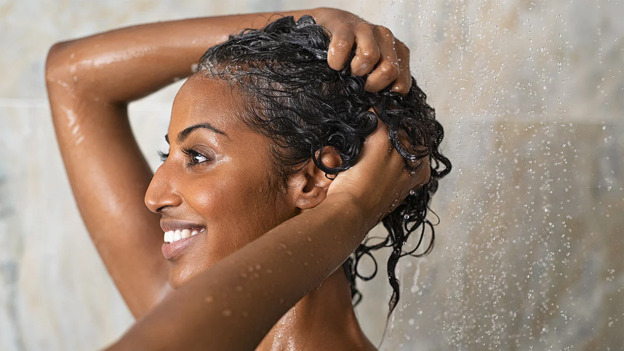
Washing your hair too often can make it feel dry, while not washing enough can leave it flat, oily, or itchy. The right rhythm depends on your scalp, hair type, climate, and lifestyle.
Fine hair may need washing more often because oil shows quickly. Thick, curly, or dry hair may do better with fewer washes and more conditioning. If you exercise often or live somewhere humid, your scalp may need more attention.
A simple routine is usually best. Shampoo the scalp, not the ends. Condition the mid-lengths and ends, not the roots, unless your hair needs it. Rinse properly. Do not overload your hair with masks every wash unless it is genuinely dry or damaged.
Low-maintenance does not mean ignoring your hair. It means making the routine simple enough that you can actually keep doing it.
Learn One Fast Styling Method
You do not need ten styling skills. You need one reliable method that works when you want to look presentable quickly.
For straight or fine hair, that might be a quick blow-dry at the roots and a smoothing serum on the ends. For wavy hair, it may be scrunching in a light cream and letting it air-dry. For curly hair, it may be applying leave-in conditioner and curl cream while the hair is still wet. For thick hair, it may be drying the roots first, so the whole head does not take forever.
Ask your stylist to show you a realistic version, not a salon version that takes thirty minutes. Tell them you want something you can do on a workday morning. A good stylist should be able to teach you a shortcut.
Stop Fighting Your Natural Texture
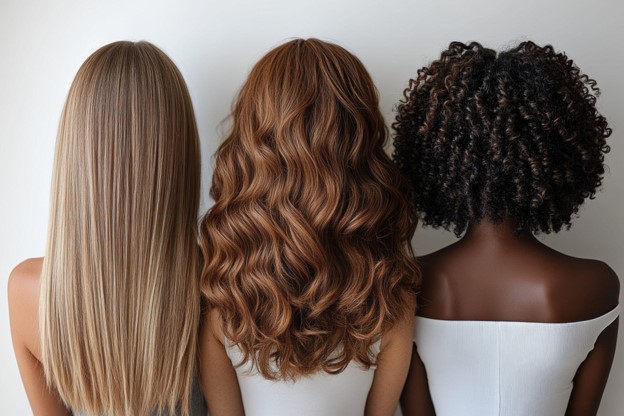
One of the easiest ways to make hair lower-maintenance is to stop forcing it into a completely different personality every day.
If your hair is naturally wavy, a cut that encourages waves will usually be easier than trying to make it pin-straight. If your hair is very straight, a sleek cut may be easier than trying to create volume that collapses after an hour. If your hair is curly, shaping and hydration matter more than brushing it into submission.
This does not mean you can never change your look. It simply means your everyday style should work with what your hair naturally wants to do. Save the big styling effort for days when you feel like it.
Keep Salon Visits Practical
Low-maintenance hair still needs upkeep. The difference is that your appointments should prevent problems, not create them.
A trim every few months can keep the ends from looking thin and tired. A gloss can refresh colour without a full transformation. A treatment can help before the hair becomes unmanageable. Small, regular care is often easier than waiting until your hair needs rescuing.
When booking your salon appointment, ask for styles and services that grow out well. A haircut that only looks good for two weeks may not suit a busy routine. A colour that needs constant toning may not be ideal if you cannot visit often.
Good hair planning is less exciting than a dramatic makeover, but it is far easier to live with.
Have a Few Lazy-Day Styles Ready
Even low-maintenance hair has bad days. That is normal. The secret is having a few reliable styles that still look intentional.
A low bun, claw clip, sleek ponytail, half-up style, soft braid, or simple side part can save you when your hair is not cooperating. Dry shampoo can help with oily roots. A little leave-in cream can calm dry ends. A smooth hair accessory can make an ordinary style look more polished.
You do not need to look salon-fresh every day. You just need a few tricks that make your hair look like a choice, not a crisis.
Final Thoughts
Great hair does not have to be high-maintenance. It does not need to involve daily heat styling, complicated colour schedules, or a bathroom shelf full of products you barely understand.
The best low-maintenance hair starts with honest choices. Choose a cut that suits your texture. Pick a colour that grows out softly. Keep your hair healthy. Learn one quick styling method. Stop fighting your natural hair every morning. Visit the salon before things get desperate, not only after.
Busy people can still have good hair. The aim is not perfection. It is hair that feels clean, healthy, flattering, and easy enough to live with.
Because the best kind of hairstyle is one that lets you get on with your day — and still makes you feel good when you catch yourself in the mirror.